Mahesh Medical
Mahesh Medical
Mahesh Medical
Explore our high-performance clinical, industrial, and specialized barrier gloves engineered for maximum safety and tactile precision.


In modern manufacturing, medical testing, and chemical handling environments, the risk of mechanical punctures is a persistent threat. Hand injuries represent a substantial percentage of lost-time workplace incidents. Selecting high-integrity barriers designed for puncture protection is critical to mitigating risks. High-quality puncture-resistant gloves require a deep understanding of standard performance thresholds, polymer compositions, and mechanical forces.
Selecting safety equipment requires understanding regulatory standards. EN 388:2016 and ANSI/ISEA 105 are the two primary global frameworks. The EN 388 puncture test measures the force required for a steel stylus (similar to a large nail) to pierce the material. In contrast, medical applications require compliance with ASTM F2878, which tests resistance against fine hypodermic needles.
Standard polymers display unique mechanical properties under concentrated strain:
How automation and quality control protocols at our facilities ensure delivery of high-integrity protective products globally.
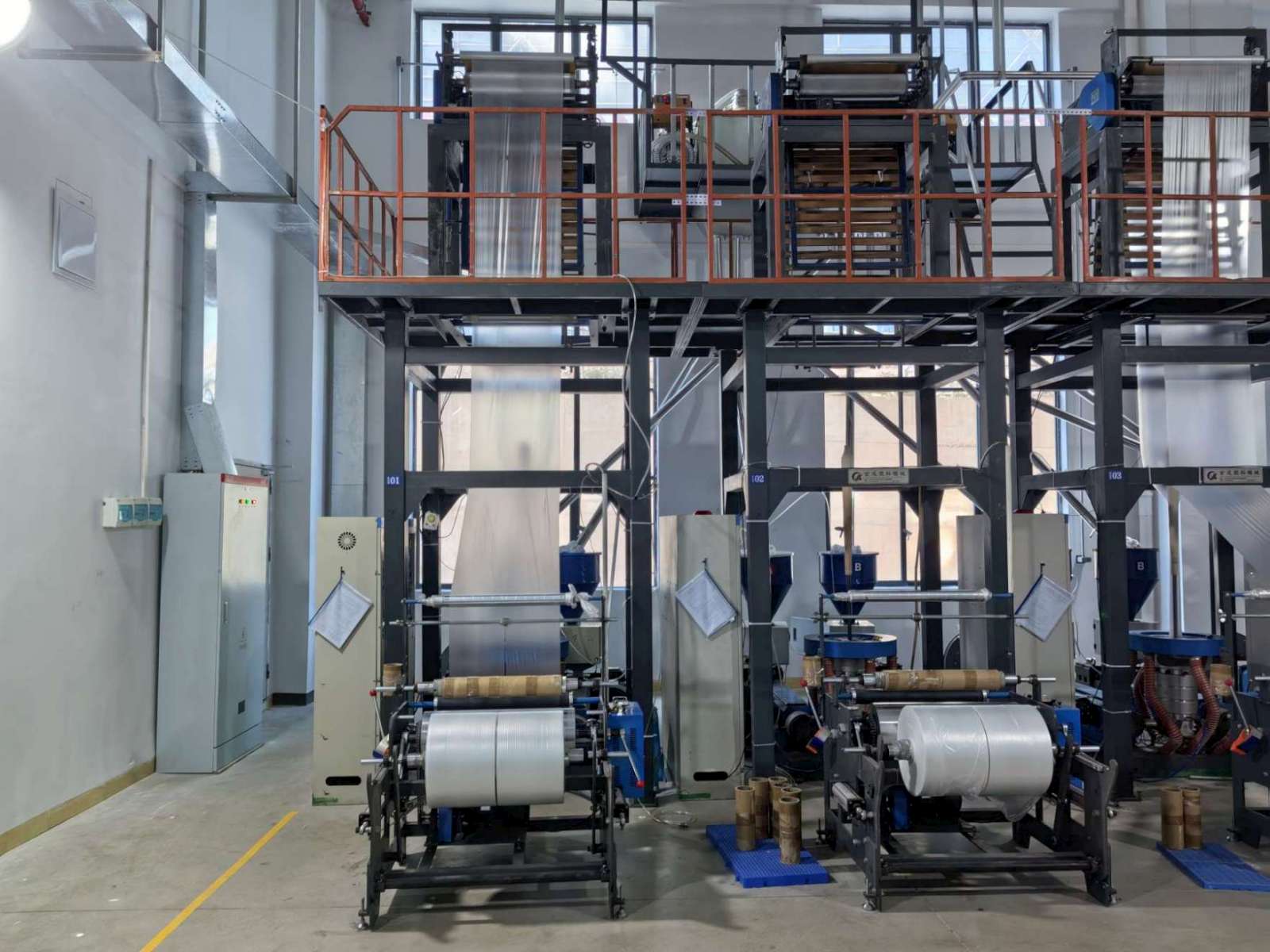
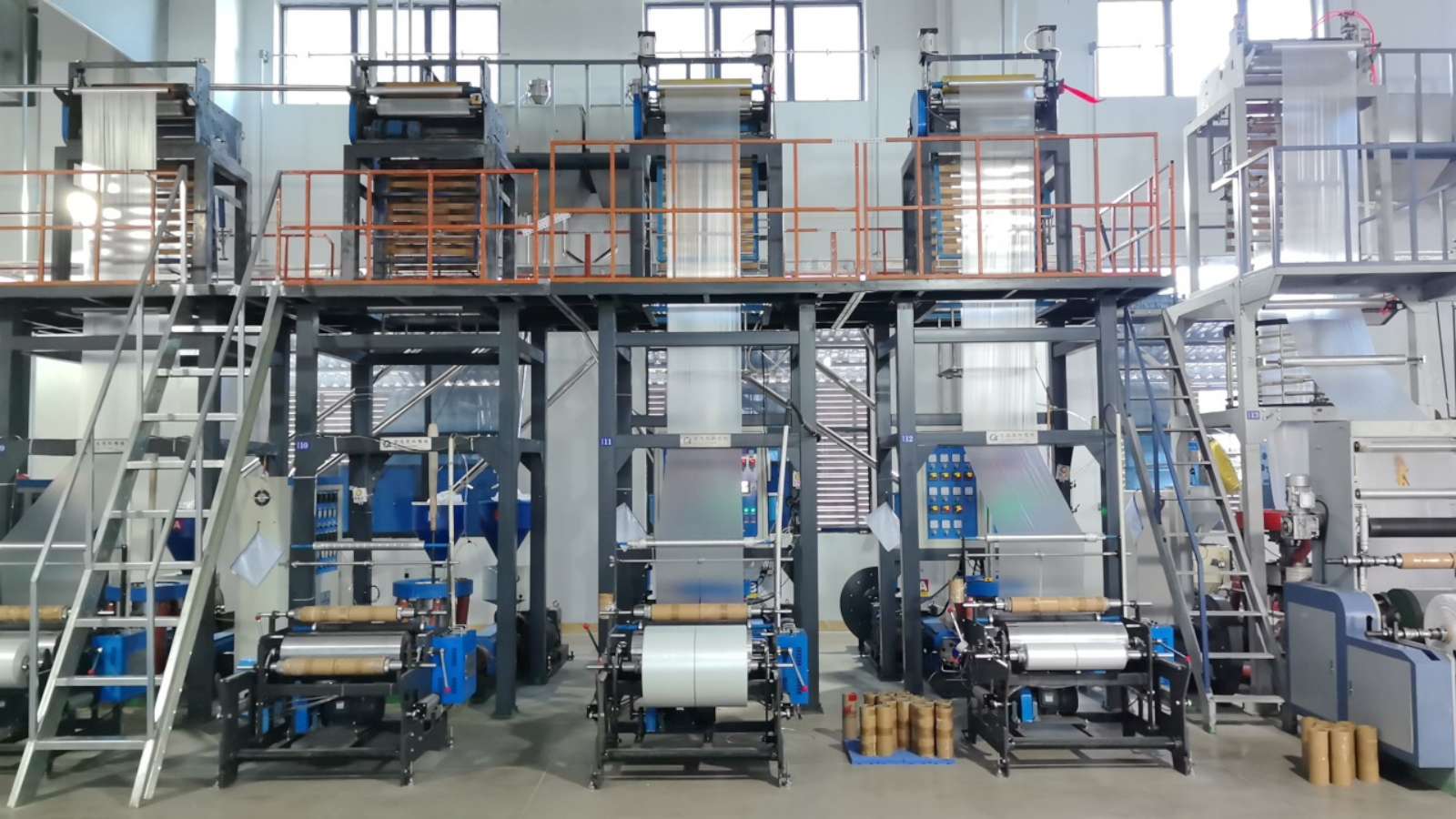
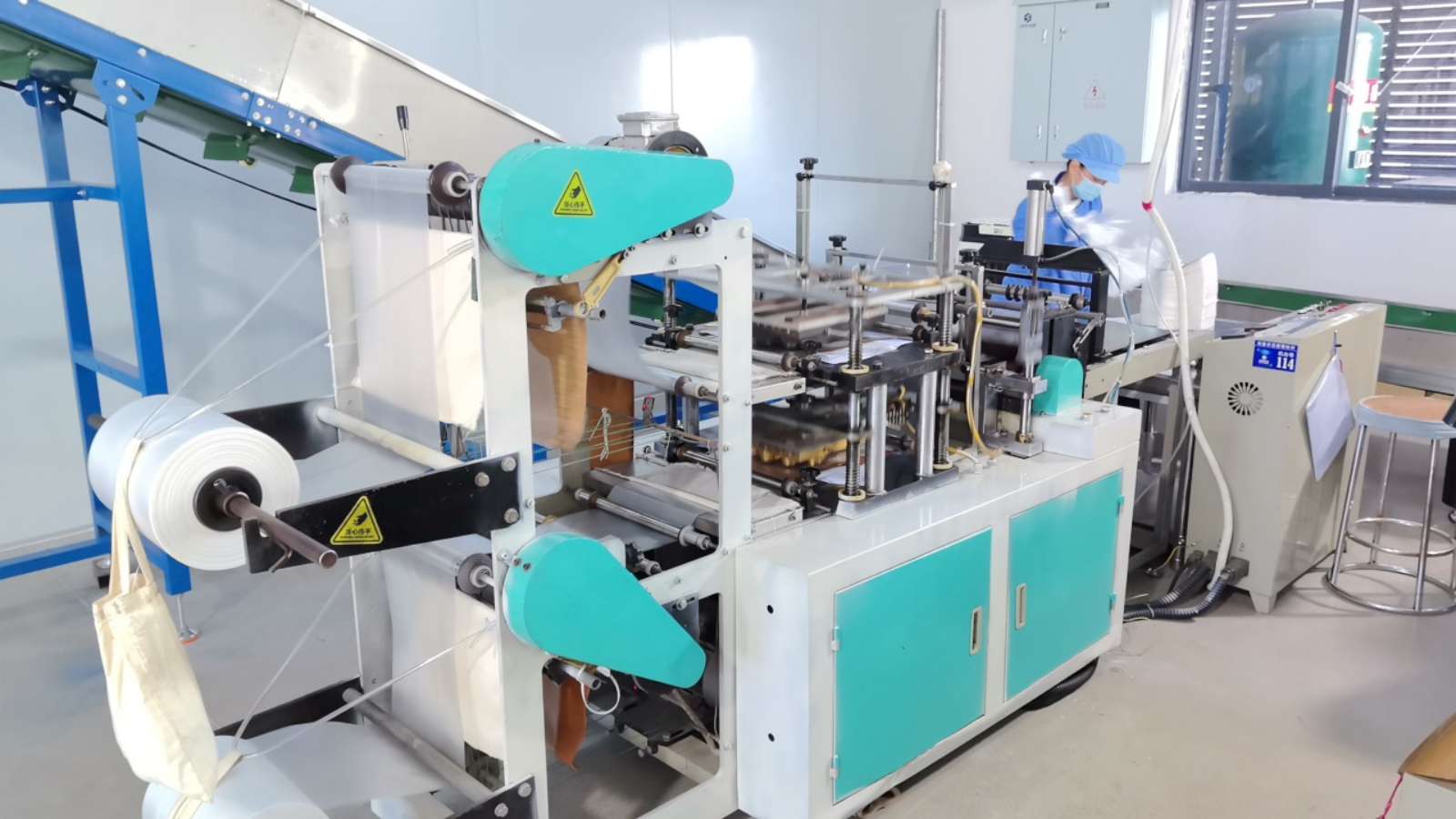
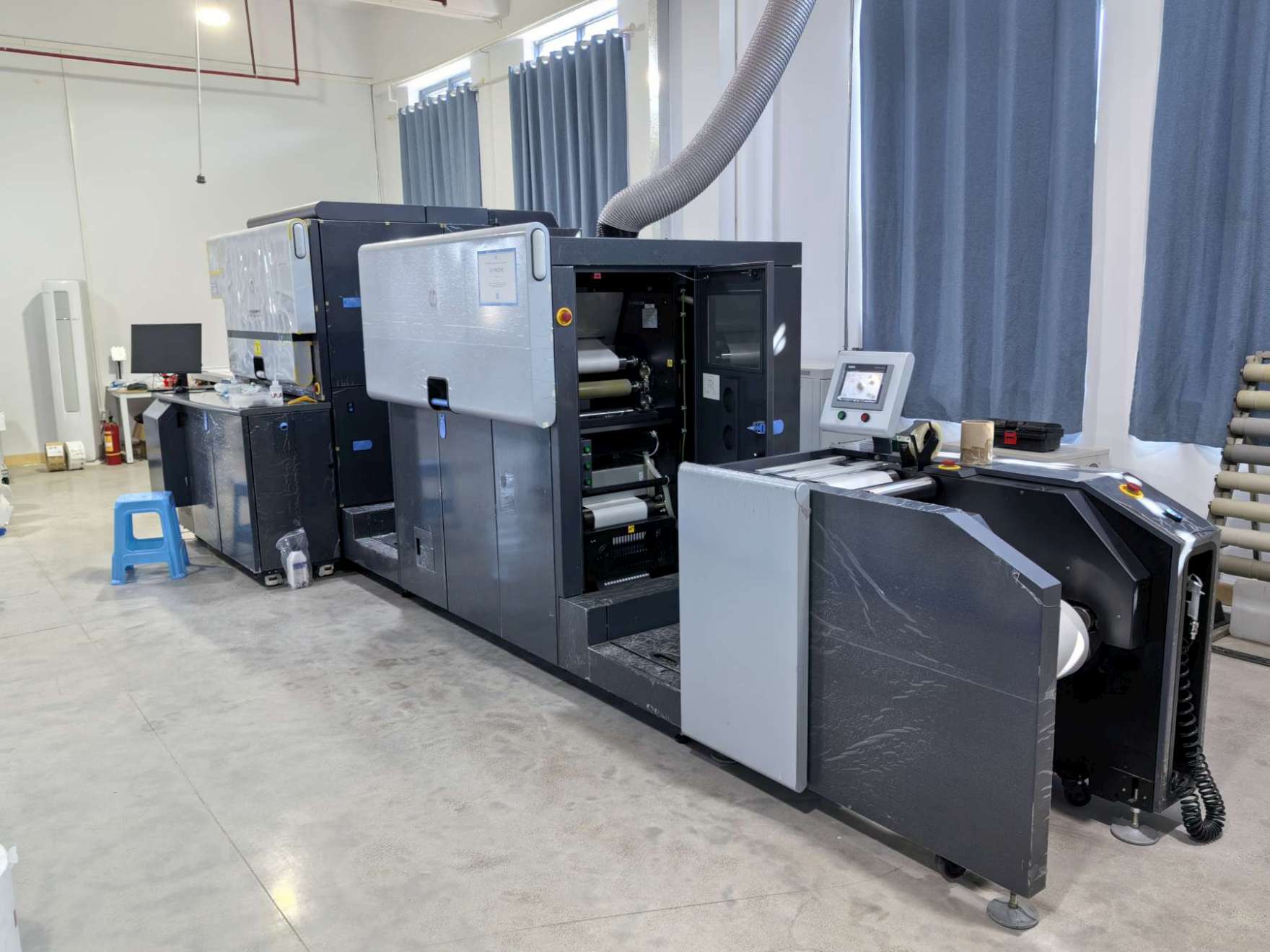
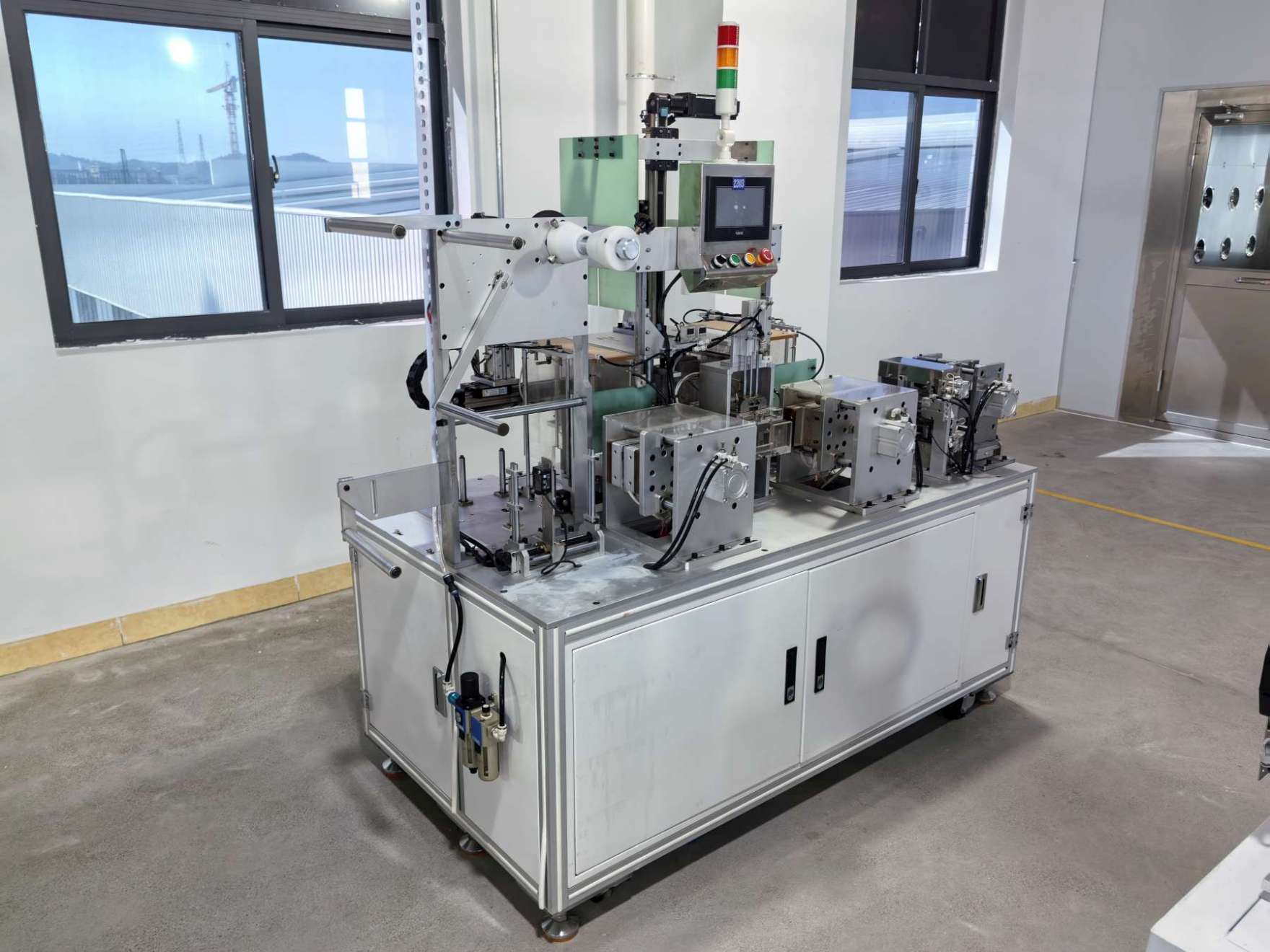
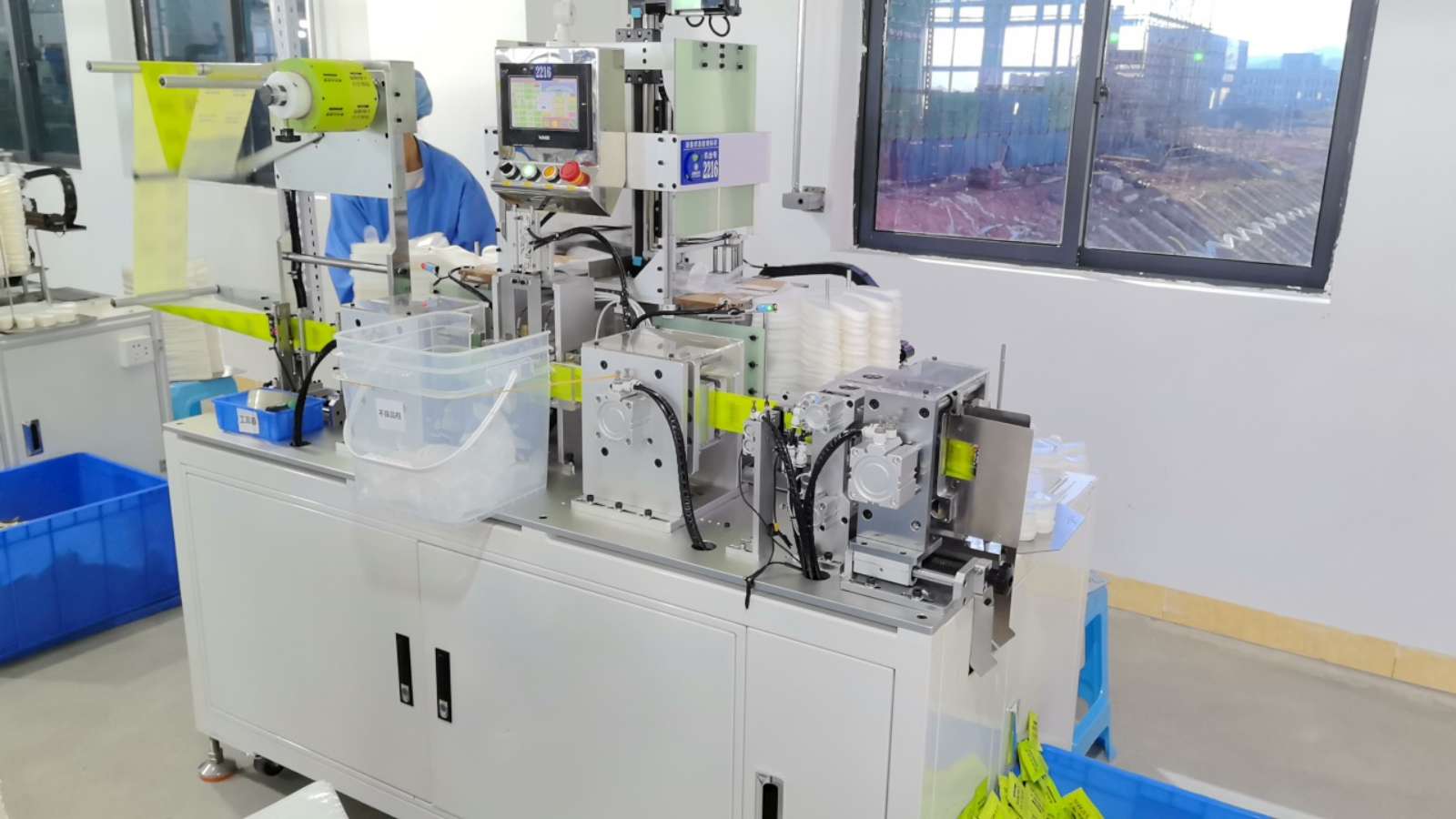
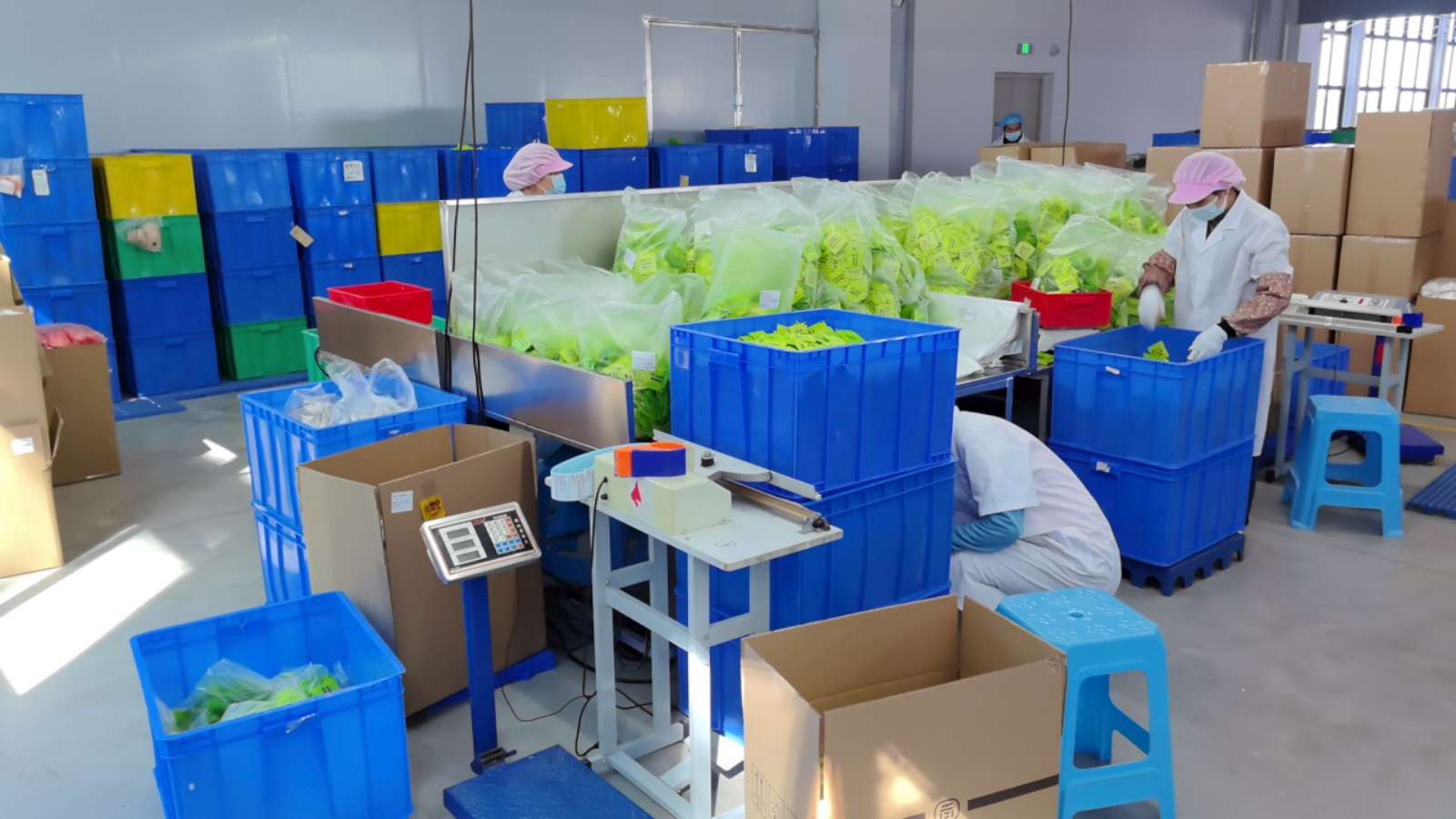
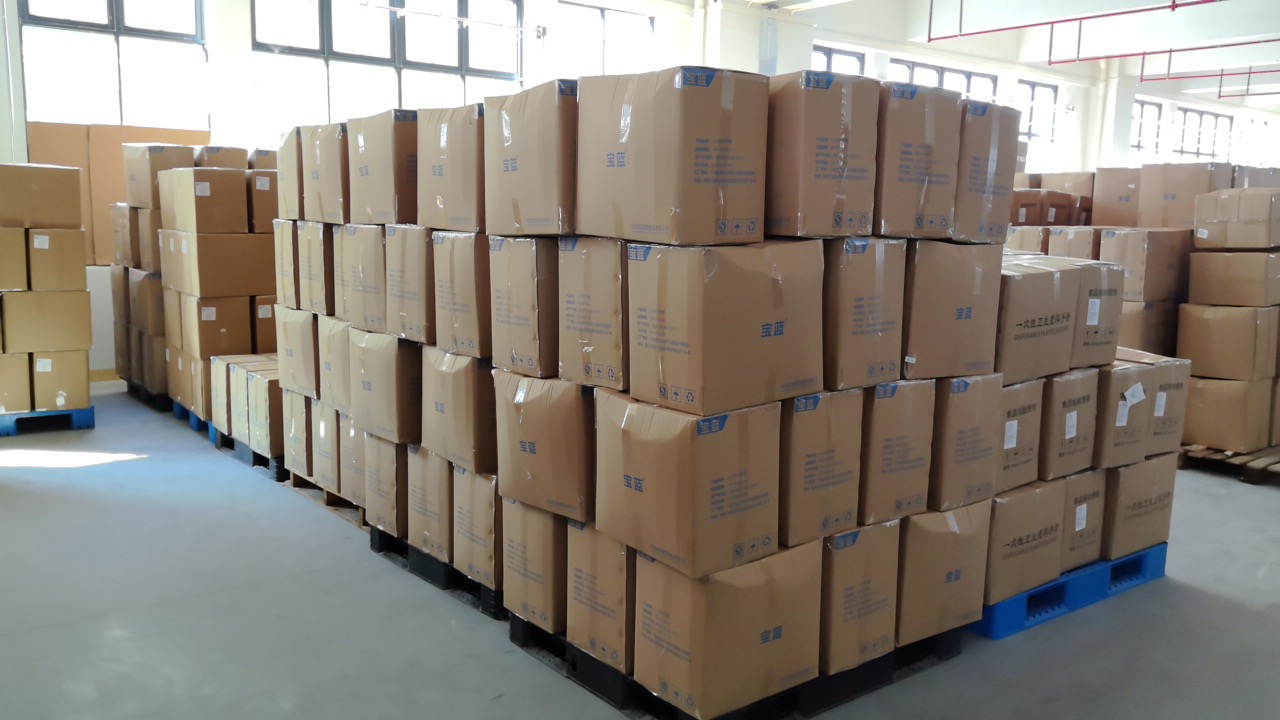
China's manufacturing infrastructure has evolved from basic assembly to advanced, automated factories. Industry 4.0 integration allows domestic manufacturers to produce high-performance polymer products with consistent quality and competitive pricing.
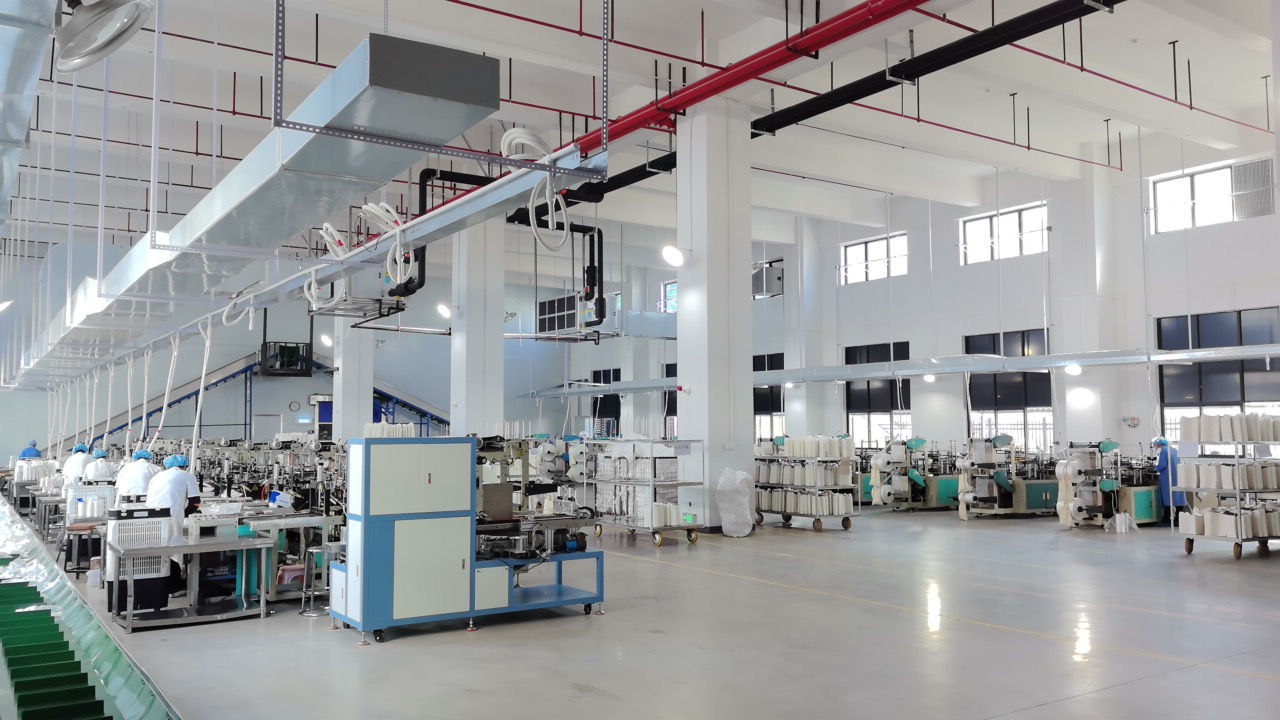
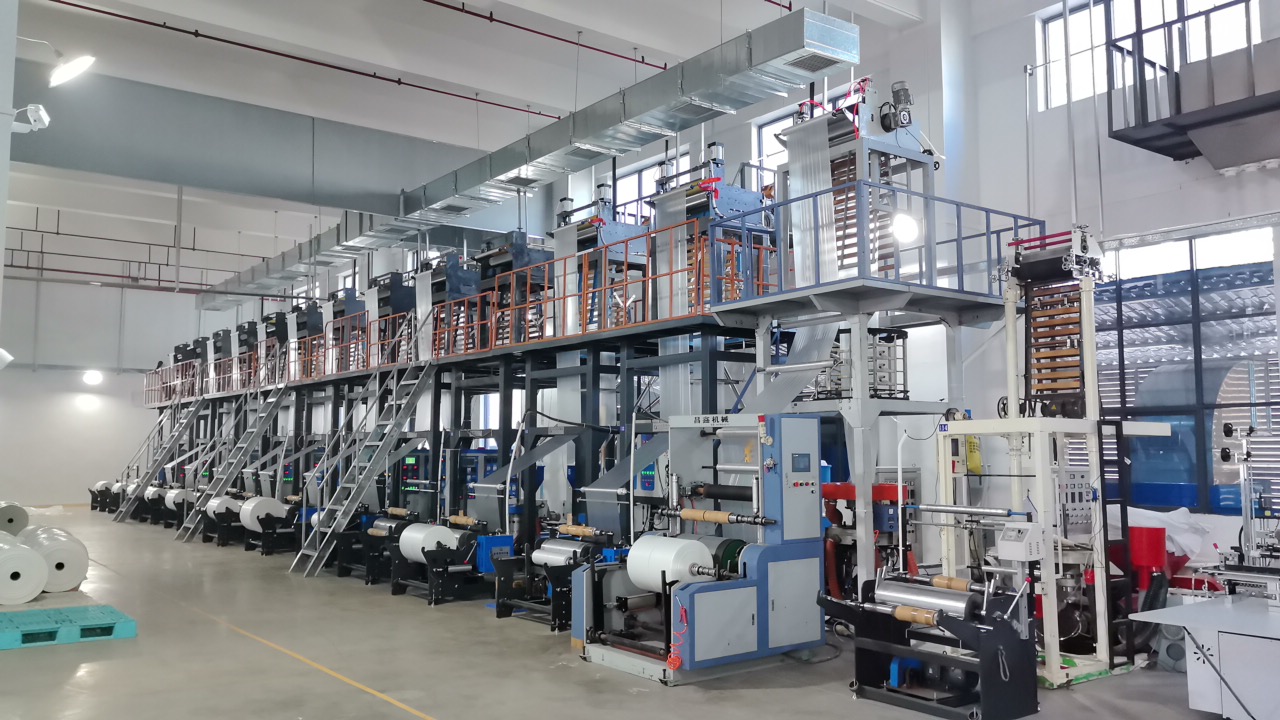
Our manufacturing line showcases this integration. The process begins with raw polymer compounding and film extrusion using advanced Film Blowing Machines and Blow Molding. Pressure Forming maintains consistent material thickness across critical areas of the glove, such as fingertips and palms, preventing weak spots that could lead to punctures.
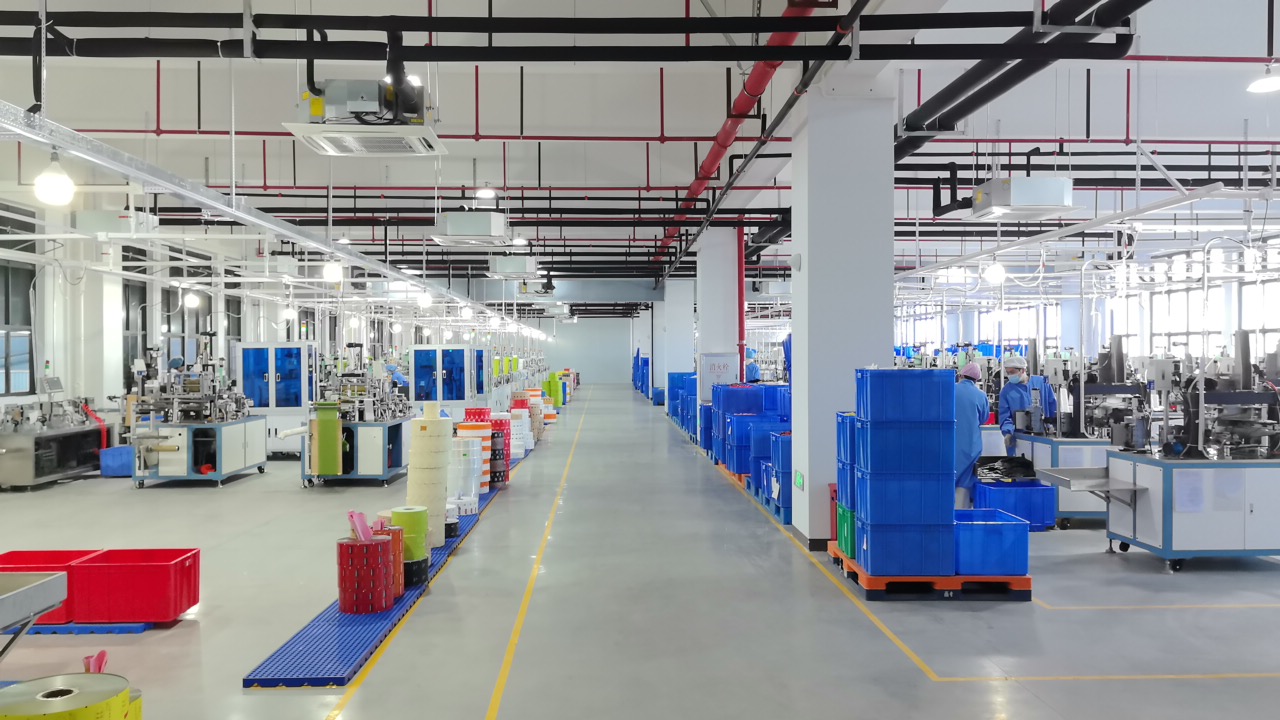
Quality assurance utilizes Chromatic Machines for automated optical defect inspections. These digital inspection systems scan for pinholes, discoloration, structural variances, and particulate contamination at high speeds, removing defective units before packaging.
Finally, the sterile and non-sterile products are routed through automated Unit Packaging Machines, packaged, verified through final inspection, and moved to our climate-controlled storage facilities. This integration reduces human error, increases throughput, and ensures our products comply with FDA, CE, and ISO guidelines.
Jiangsu Mahesh Medical Co., Ltd. specializes in the research, development, production, and sales of high-quality disposable PVC and synthetic protective gloves. As an established manufacturer in the medical supply industry, we provide reliable products that meet the demands of healthcare and industrial applications.
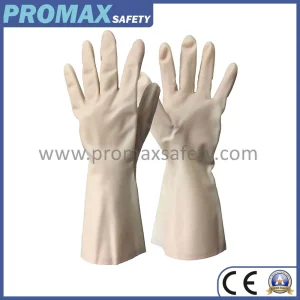
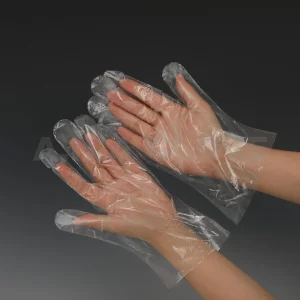
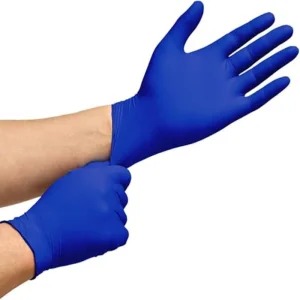
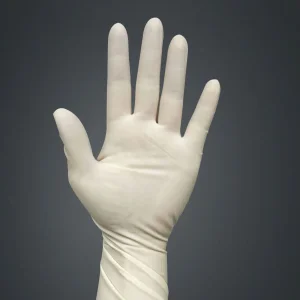
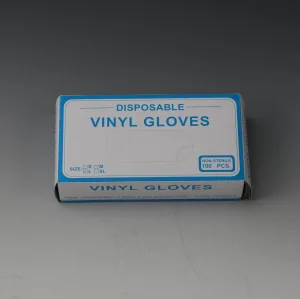
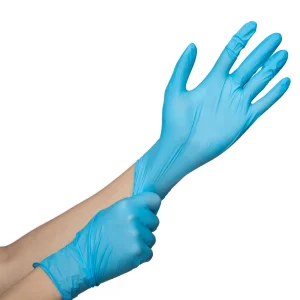
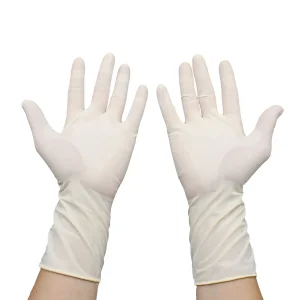
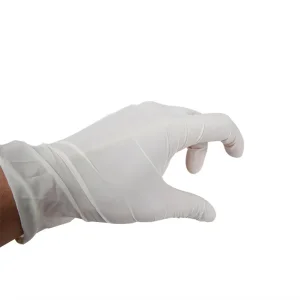
Our core product line, disposable PVC gloves, is designed for healthcare, medical testing, laboratories, food processing, and electronics handling. PVC gloves are favored for their comfort, air permeability, resistance to acids and alkalis, isolation properties, and hypoallergenic profile. These gloves also feature anti-static properties, making them suitable for static-controlled manufacturing environments.
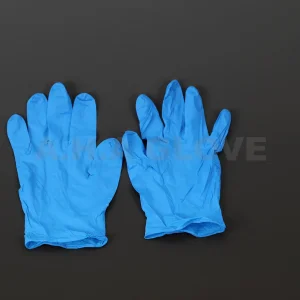
Compared to other options, PVC and synthetic vinyl-nitrile formulations balance comfort and value. This combination of reliable protection and cost-efficiency makes them a practical choice for routine medical and industrial operations.

The global market for disposable protective gloves is centered in regions such as the United States, Europe, Japan, and Canada. These areas have strict workplace safety regulations and healthcare standards that mandate the use of personal protective equipment (PPE). Global health regulations drive a consistent demand for certified medical-grade and industrial safety gloves.
As environmental and health standards evolve, the adoption of clean, hypoallergenic, and electrostatic discharge (ESD) safe barriers expands into more industries. Jiangsu Mahesh Medical Co., Ltd. meets these demands by refining polymer formulations, modernizing manufacturing lines, and providing reliable supply chain support.
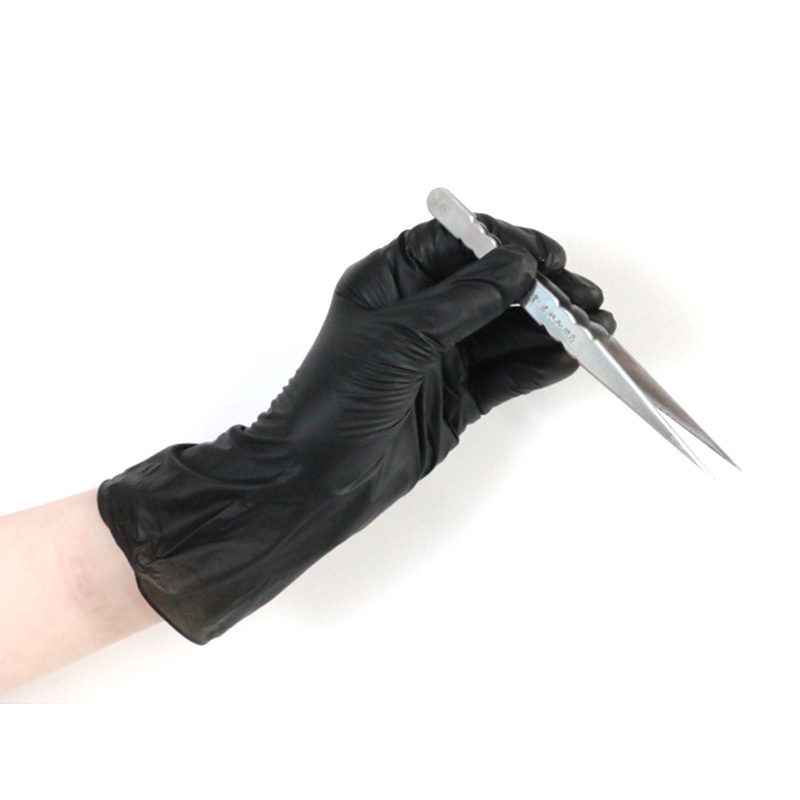
Different applications require specific glove formulations. Industrial and healthcare settings present distinct chemical and mechanical risks, demanding tailored solutions:
Requires strict pathogenetic barriers, tactile sensitivity, and compliance with medical standards (FDA 510k, EN 455). Materials must resist pinhole defects and tearing during extended surgical or clinical use.
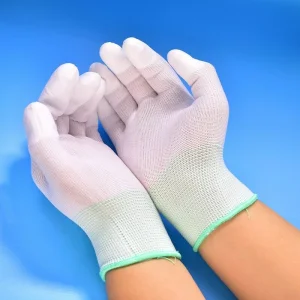
Electronics manufacturing requires ESD-safe, powder-free gloves. These barriers prevent static discharge from damaging components and protect sensitive parts from oils or sweat.
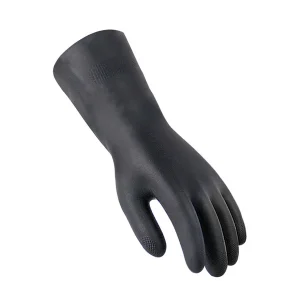
Requires thicker polymer formulations with high ANSI/EN puncture ratings. These gloves protect workers handling sharp tools, chemical drums, or rough materials.
For instance, heavy-duty industrial work requires composite gloves with high puncture resistance to handle mechanical hazards. In contrast, food processing prioritizes food-contact compliance (FDA CFR 21) and flexible materials to minimize hand fatigue. Understanding these demands helps procurement managers match specific products to operational risks.
Technical answers to common questions about certifications, materials, and ordering logistics.
Browse our full selection of protective barriers, designed to meet global safety standards across medical and industrial applications.