Mahesh Medical Mahesh Medical

Why Do Nitrile Gloves Change Color When Stretched?

Time:2026-08-01 Author:Mason
0%

Nitrile gloves are essential in many industries, particularly in healthcare and food service. Their durability and resistance to punctures make them a popular choice. However, many users wonder, "why do nitrile gloves change color when stretched?" This phenomenon can be perplexing for those unfamiliar with the material properties of nitrile.

When nitrile gloves are pulled or stretched, the tension alters their molecular structure. This change can lead to a visible shift in color. Typically, the vibrant tones of these gloves may fade or become darker under stress. This response is not just a cosmetic issue; it can indicate the glove's condition. Users may need to assess if the gloves are still suitable for use.

Understanding this color change is crucial for maintaining safety standards. It prompts a deeper reflection on glove usage and inspection. Recognizing when a glove is compromised can prevent potential hazards in professional settings. Therefore, it's important to know the science behind nitrile gloves and their behavior under tension. This knowledge empowers users to make informed decisions for their safety and effectiveness.
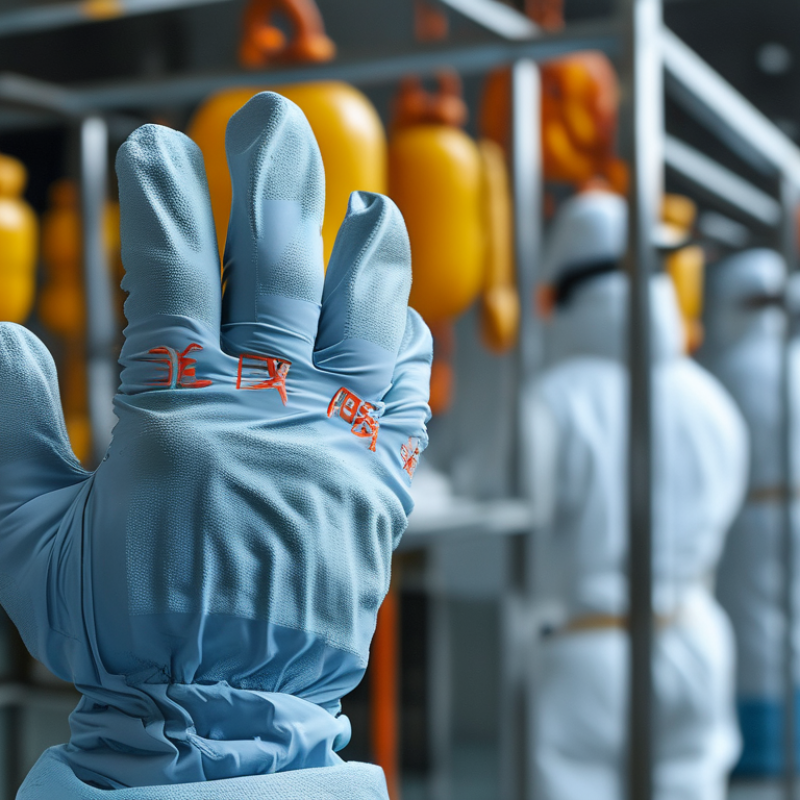
Why Do Nitrile Gloves Change Color When Stretched?

Nitrile Gloves: Composition and Material Properties Affecting Color Change

Nitrile gloves are widely used in various industries due to their durability and resistance to chemicals. The color change when stretched is primarily due to the unique composition of nitrile rubber. Nitrile, being a copolymer of acrylonitrile and butadiene, has specific material properties that can affect its appearance when manipulated. Stretching the gloves can cause the molecular structure to shift, leading to changes in how light interacts with the material. This phenomenon can sometimes indicate overexertion, which may compromise the glove's integrity.

Understanding the properties of nitrile is crucial for industries that rely on these gloves. Studies show that the percentage of acrylonitrile affects the glove's strength and barrier properties. Typically, higher acrylonitrile content increases chemical resistance but may also reduce elasticity. A balance is essential to maintain both function and comfort.

Tips: Check for color change regularly. If discoloration occurs, consider replacing the gloves. It's a simple way to ensure safety. Always inspect your gloves before use. Minor flaws can result in significant risks. Don’t overlook the potential hazards presented by compromised gloves.

Effect of Stretching on Nitrile Gloves Color Change

Mechanism of Color Change in Nitrile Gloves During Stretching

Nitrile gloves are widely used in medical and industrial settings. Their color change during stretching is an intriguing phenomenon. This change is primarily due to the molecular structure of the nitrile material. When the gloves are stretched, the elongated molecules alter how they reflect light. This alteration creates a noticeable shift in color.

The specific compounds used in nitrile can further influence this change. As the rubber is stretched, it can become translucent, and the underlying color may show through. This transparency can make the gloves appear lighter or even change hues. Variations in the formulation can lead to different color responses.

While this color change signals that the gloves are stretched, it also raises questions. What does this mean for their integrity? Not all nitrile gloves undergo the same level of color change. Some might show minimal alteration, while others may exhibit dramatic shifts. This inconsistency invites further exploration into materials science and the manufacturing process. Understanding these factors is crucial for those who rely on nitrile gloves in critical situations.

Impact of Temperature and Humidity on Nitrile Glove Color Stability

Nitrile gloves are known for their flexibility and durability. However, under certain conditions, their colors may change when stretched. This phenomenon is often influenced by temperature and humidity. High humidity levels can cause the material to absorb moisture. This absorption may alter the molecular structure of the gloves, leading to color changes.

Temperature also plays a significant role in color stability. When gloves are exposed to elevated temperatures, the material expands. This expansion may result in a noticeable color shift. The combination of heat and moisture can strain the nitrile, revealing different hues. Users should be aware of these factors when storing gloves.

Not all nitrile gloves react the same way. Some materials are more stable than others. It's essential to consider the quality of the gloves and the conditions they are exposed to. A lack of knowledge about these elements can lead to unexpected results in color stability. Understanding these issues is crucial for anyone relying on nitrile gloves in professional settings.

Industry Standards and Testing Methods for Nitrile Glove Color Integrity

Nitrile gloves are widely used across various industries due to their durability and chemical resistance. When these gloves are stretched, their color can change. This phenomenon raises questions about their material integrity and safety. The change in color often indicates stress on the material, which can unsettle users relying on these gloves for protection.

To ensure color integrity, industry standards and testing methods come into play. These standards involve rigorous testing of nitrile formulas under controlled conditions. Manufacturers analyze how the gloves respond to stretching and exposure to various substances. However, discrepancies may emerge due to factors like production quality or variations in raw materials. Users must remain attentive. Monitoring color changes ensures that the gloves maintain their protective properties.

The methods for testing color integrity can vary. Some rely on visual inspections, while others use specialized equipment for measurements. These processes aim to determine how well the material holds up under real-world conditions. While tests can be reliable, the inherent variances may lead to unforeseen problems. Therefore, continued observation and quality checks are crucial for maintaining high safety standards in gloves.

Why Do Nitrile Gloves Change Color When Stretched? - Industry Standards and Testing Methods for Nitrile Glove Color Integrity

Testing Method Purpose Expected Result Color Change Criteria
Elasticity Test To measure the stretchability of nitrile gloves No significant color change Color shift < 2 units on the color scale
Durability Test To assess the wear resistance of the glove material Minimal color alteration Acceptable range: ΔE < 3
Heat Exposure Test To evaluate color stability under high temperatures Maintained original color post test Color shift ≤ 4 units
Lightfastness Test To determine color retention when exposed to light No fading observed Resistance if ΔE < 5
Chemical Resistance Test To assess how color changes with chemical exposure Color change within acceptable limits ΔE < 6 is acceptable

Applications of Color Change Phenomenon in Nitrile Gloves for User Safety

Nitrile gloves are crucial in many industries. The color change that happens when they are stretched is not just a visual phenomenon. It serves an essential purpose. This color shift can signal potential failure points, ensuring that users remain alert to the condition of their protective gear. A study from the American Society for Testing and Materials (ASTM) indicates that a significant portion of glove failures occurs due to overextension or improper fit.

In healthcare, for instance, nitrile gloves are standard in hygiene practices. A report from the Centers for Disease Control and Prevention (CDC) highlights that proper glove use reduces infection risks by up to 70%. The color change provides a visual cue, helping users avoid compromised gloves before they become a safety hazard. Such insights emphasize the tactile and visual interaction between healthcare workers and their protective equipment.

However, it’s worth noting that not all users may recognize this color change immediately. Educating staff about this feature is essential. Research suggests that training programs improve glove awareness significantly. The challenge lies in ensuring consistent training across diverse environments, making user safety a shared responsibility. Ultimately, understanding the reason behind the nitrile gloves’ color change can significantly enhance safety and performance in high-risk settings.

FAQS

: What causes nitrile gloves to change color when stretched?

: The color change is due to the unique molecular structure of nitrile rubber shifting under tension.

Why is the acrylonitrile content in nitrile gloves important?

Higher acrylonitrile content enhances chemical resistance but may reduce elasticity, impacting comfort and function.

How can I ensure the gloves I use are safe?

Regularly check for color changes and replace gloves if discoloration occurs to maintain safety.

Are there established standards for testing nitrile glove color integrity?

Yes, there are rigorous testing standards, but discrepancies may arise from production quality and material variations.

What testing methods are used to assess nitrile gloves?

Testing can involve visual inspections or specialized equipment to evaluate the gloves' performance under stress.

What should I do if I notice minor flaws in my nitrile gloves?

Inspecting for minor flaws is crucial, as they can lead to significant risks during use.

Can prolonged use of nitrile gloves lead to performance issues?

Yes, overexertion may compromise a glove's integrity, making it less effective in protecting users.

How often should I inspect my nitrile gloves?

It's advisable to inspect gloves before every use to ensure they haven't degraded or developed issues.

What risks are associated with using compromised gloves?

Compromised gloves may fail to provide adequate protection, exposing users to potential hazards.

Is there a specific way to monitor nitrile gloves' condition?

Regular observation of color changes is a simple yet effective way to monitor their condition.

Conclusion

Nitrile gloves are widely used in various industries due to their durability and resistance to chemicals, but a common phenomenon observed is "why do nitrile gloves change color when stretched." This color change can be attributed to the unique composition and material properties of nitrile, which undergo modifications in its molecular structure when subjected to tension. The stretching process causes the pigments within the gloves to disperse irregularly, resulting in a noticeable alteration in color.

Additionally, factors such as temperature and humidity play critical roles in the stability of color in nitrile gloves. High temperatures or humidity levels can exacerbate color changes, impacting the durability and integrity of the gloves. Understanding these mechanisms is crucial for maintaining industry standards and ensuring user safety, as the color change can serve as a visual indicator of the gloves' condition and effectiveness. Thus, the investigation of nitrile glove color integrity not only enhances their functional performance but also supports the safety protocols within various applications.

Mason

Mason

Mason is a seasoned marketing professional with a deep expertise in the company's offerings and a passion for driving brand awareness. With a strong background in digital marketing strategies, he has an innate ability to connect with diverse audiences and effectively communicate product benefits.......