 Mahesh Medical
Mahesh Medical
Mahesh Medical
In healthcare settings, the proper handling of contaminated medical gloves is critical. According to the Centers for Disease Control and Prevention (CDC), improper glove removal can lead to the spread of infections. It is essential to understand "how to properly remove contaminated medical gloves" to ensure safety for both healthcare workers and patients.
A study from the World Health Organization (WHO) reveals that up to 50% of infection control breaches occur during glove use. This highlights the need for education and training among medical professionals. Even experienced practitioners sometimes overlook fundamental processes. This can result in harmful consequences, such as increased infection rates.
Yet, the protocols for glove removal are often not followed correctly. Small mistakes can lead to significant problems. Every healthcare facility must prioritize proper glove techniques to enhance safety. Reviewing and reinforcing guidelines is essential. Educating staff about the correct methods can make a noticeable difference in infection control practices.
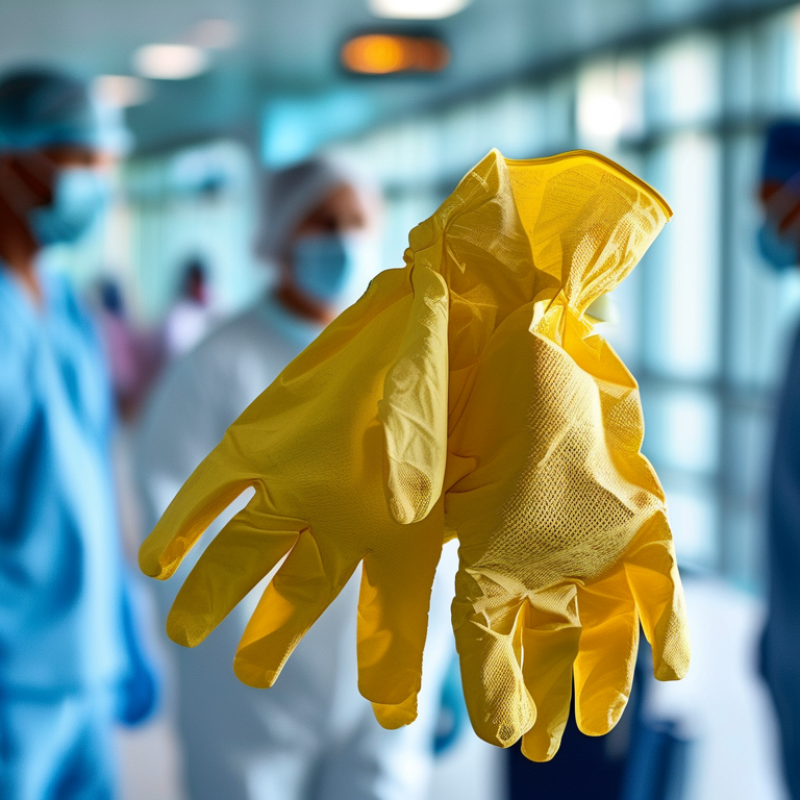
Safe removal of contaminated medical gloves is crucial in preventing the spread of infections. The process may seem simple, but improper techniques can lead to exposure. Understanding how to remove gloves safely is a matter of both practice and knowledge.
When removing gloves, start with a firm grip at the wrist area. Avoid touching the outer surface, where contaminants reside. Pull the glove off inside out, forming a pouch that contains any harmful particles. It’s essential to ensure that this action is smooth. Rushed movements can lead to accidental contact with skin or clothing. After the first glove is removed, hold it in your opposite hand. Slide your fingers under the second glove, repeating the process to avoid any exposure.
Reflecting on the importance of technique, many professionals overlook minor details. This can occur during busy shifts or under stress. Regular training can enhance glove removal skills. Demonstrating proper techniques in practice sessions can reinforce learning. A culture of safety is fostered when team members feel confident in their abilities. Regularly discussing challenges in glove removal can lead to better practices and collective improvement.
| Step | Description | Importance |
|---|---|---|
| 1 | Pinch the glove at the wrist to create a barrier and prevent contamination from entering your skin. | Prevents contamination of hands and skin. |
| 2 | Pull the glove off gently while avoiding contact with the outside surface. | Reduces risk of transferring pathogens. |
| 3 | Hold the discarded glove in your opposite hand. | Prevents further contamination during removal. |
| 4 | Repeat the process with the second glove, ensuring to avoid skin contact. | Ensures a clean removal process. |
| 5 | Dispose of the gloves in a designated biohazard waste container. | Ensures proper disposal of hazardous waste. |
: It helps prevent infection transmission. Proper removal reduces risks for both healthcare workers and patients.
Pinch the outside of one glove at the wrist. This keeps the contaminated side inward.
Hold the first glove in your gloved hand. Use your ungloved hand to slide under the wrist of the second glove.
Place them in a designated biohazard waste container. Make sure the container is clearly labeled.
Rushing can lead to contamination. Forgetting to wash hands afterward is another common error.
Regular sessions reinforce techniques. Awareness of proper methods enhances safety for everyone involved.
It may lead to increased infection risks. Reflecting on practices helps identify necessary improvements.
Regular audits help find gaps. They promote consistency in safety procedures.
Training and reflection on mistakes make a difference. Creating a culture of awareness is crucial for safety.
Over 80% of healthcare-associated infections are linked to it. This highlights the importance of correct practices.
In the realm of healthcare, understanding how to properly remove contaminated medical gloves is crucial for maintaining safety and hygiene. The process begins with recognizing the different types of contaminants that may be present on the gloves, which can range from biological materials to hazardous substances. Following a step-by-step guide ensures that the gloves are removed without risking exposure to these contaminants.
Once the gloves are removed, proper disposal methods must be employed to prevent any environmental contamination. Equally important are post-removal hygiene practices, which include thorough handwashing and disinfecting any surfaces that may have come into contact with the gloves. By adhering to these guidelines, healthcare professionals can significantly reduce the risk of infection and ensure a safer working environment.
