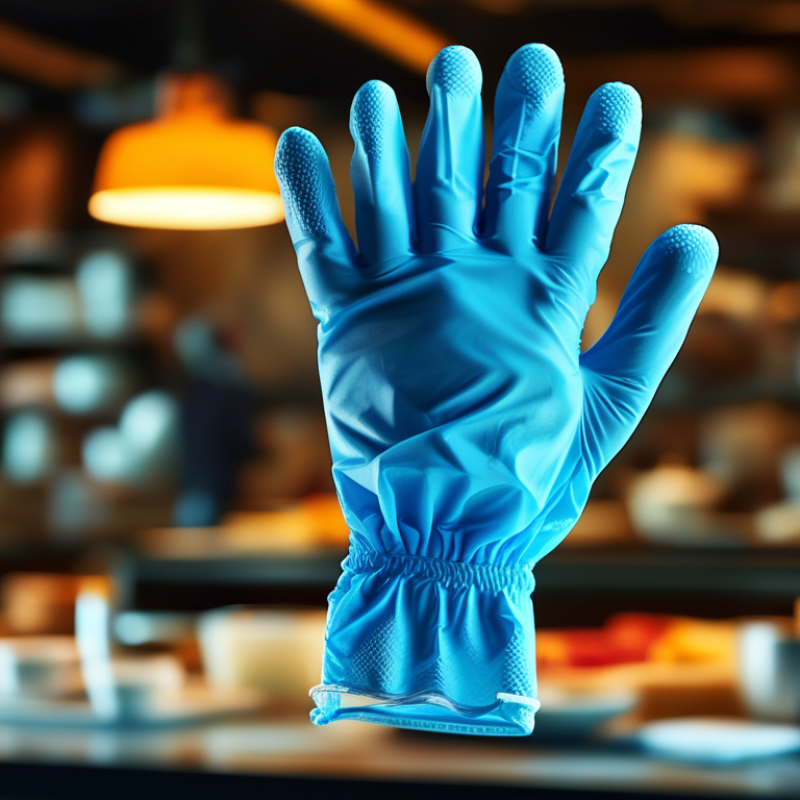
Blue nitrile gloves have gained popularity in the food industry for several compelling reasons. High durability and excellent resistance to punctures make them a favorite among food handlers. These gloves also provide a reliable barrier against contaminants, ensuring food safety. The vivid blue color of nitrile gloves has practical benefits, helping staff easily identify breaches. This visibility is crucial in busy kitchens where hygiene is a top priority.
The question arises: why are blue nitrile gloves preferred in the food industry? Their chemical resistance outshines other glove materials like latex and vinyl. This feature allows workers to handle various food ingredients without compromising safety. Nitrile's comfortable fit enables prolonged wear, reducing hand fatigue during long shifts. This comfort doesn't overshadow the need for regular glove changes, though.
While blue nitrile gloves offer many benefits, proper training and awareness are essential. Staff must be educated on glove limitations and the importance of hand hygiene. Ultimately, the choice of gloves reflects a commitment to food safety and customer health. A thoughtful approach to selecting gloves can significantly impact food handling practices.
Importance of Food Safety in the Culinary Industry
Food safety is paramount in the culinary industry. According to the Centers for Disease Control and Prevention (CDC), approximately 48 million people suffer from foodborne illnesses in the United States every year. This staggering figure emphasizes the importance of hygiene and proper equipment in kitchens. One significant component in ensuring food safety is the type of gloves used by food handlers. Blue nitrile gloves have emerged as an industry favorite for several reasons.
These gloves are highly durable, offering puncture resistance and chemical protection. They create a barrier against contaminants, significantly reducing the risk of cross-contamination. A study published in the Journal of Food Protection found that using gloves can reduce the number of bacteria transferred to food by up to 99%. This data highlights how crucial the right choice of gloves is for maintaining food integrity. Furthermore, blue nitrile gloves stand out because their color offers a stark contrast against food items, making it easier to notice any potential tears or contamination.
Additionally, the use of gloves is not foolproof. A report from the Food Safety and Inspection Service notes that improper glove use can lead to foodborne bacteria transmission. It’s essential for food handlers to undergo training on proper glove use and hygiene practices to maximize safety. Implementing these measures alongside the use of blue nitrile gloves creates a more secure environment for food preparation, ultimately safeguarding public health.
Top 10 Reasons Blue Nitrile Gloves Are Best for Food Safety
Overview of Nitrile Gloves and Their Composition
Nitrile gloves have become essential in food safety due to their unique composition and benefits. Made from synthetic rubber, nitrile gloves do not contain latex proteins. This feature reduces the risk of allergic reactions, which is crucial in food preparation environments. According to the Food and Drug Administration (FDA), these gloves are superior for handling food due to their resistance to punctures and chemicals.
Nitrile gloves offer a secure fit and excellent dexterity. The textured surface enhances grip, making them ideal for tasks requiring precision. A study published in the Journal of Food Protection indicates that nitrile gloves outperform latex in terms of barrier protection against pathogens. This factor is vital for preventing cross-contamination in commercial kitchens.
When selecting nitrile gloves, consider your needs. Different thickness levels provide various protections. Some thin gloves allow for better tactile sensation, while thicker options offer durability. It's essential to evaluate these features based on your specific food safety requirements. Regularly inspect gloves for any signs of wear, as damaged gloves compromise safety. Know your usage environment to ensure you choose the right type.
Top 10 Reasons Blue Nitrile Gloves Are Best for Food Safety
| Reason |
Description |
| 1. Excellent Chemical Resistance |
Nitrile gloves provide strong protection against foodborne pathogens and contaminants. |
| 2. Puncture Resistance |
They are more puncture resistant compared to latex or vinyl gloves, ensuring better safety. |
| 3. Allergy Free |
Made without latex, which reduces the risk of allergic reactions in users. |
| 4. Superior Grip |
Enhanced grip texture allows for better handling of food and utensils. |
| 5. Flexibility |
Nitrile gloves conform well to the hand for improved dexterity. |
| 6. Durable |
They can withstand longer use without tearing or ripping. |
| 7. Temperature Resistance |
Can be used in a variety of temperature conditions while maintaining integrity. |
| 8. Versatile Use |
Suitable for various food handling tasks in commercial and home settings. |
| 9. Cost-effective |
Provide an economical solution while ensuring safety and hygiene. |
| 10. Easy to Wear |
Slip-on design makes them user-friendly for quick donning and doffing. |
Top Features That Make Blue Nitrile Gloves Ideal for Food Handling
Blue nitrile gloves are an excellent choice for food handling due to their unique features. They provide superior protection against contaminants. The gloves are puncture-resistant, which ensures that food remains safe from any potential hazards. Their tactile sensitivity allows workers to handle food with precision. This is particularly important in environments where small details matter, such as food preparation.
These gloves are also durable and stretch well, making them comfortable for long-term use. Their blue color provides a visual cue, making it easier to spot any tears or holes. This is a vital aspect of maintaining food safety, as it helps to prevent cross-contamination. Moreover, nitrile gloves are chemical-resistant, protecting against cleaning agents used in food service areas.
When using blue nitrile gloves, proper fit is crucial. A snug, comfortable fit enhances dexterity. To avoid any unintended tears, take care when putting them on and removing them. Remember to change gloves regularly to maintain hygiene. Always wash your hands after removing gloves, as this is essential for preventing the spread of germs. Keeping gloves in a cool and dry place can also help preserve their integrity for longer use.
How Blue Nitrile Gloves Ensure Optimal Durability and Protection
Blue nitrile gloves are known for their impressive durability and protection, especially in food safety environments. Made from synthetic rubber, these gloves resist punctures and tears. Unlike latex, they are less likely to cause allergic reactions, ensuring a safer experience for both workers and consumers. Their excellent grip quality helps prevent slips while handling food, contributing to a hygienic work environment.
The unique properties of blue nitrile gloves allow them to withstand various chemicals, oils, and fats commonly found in food preparation. They offer a barrier against contaminants, crucial in maintaining food safety standards. In my experience, these gloves endure heavy-duty tasks without compromising comfort. However, it is essential to inspect them regularly, as even the slightest damage can lead to contamination. Remember, while blue nitrile gloves provide excellent protection, they are not invulnerable.
Using blue nitrile gloves also requires proper training and awareness. Workers must understand how to wear and dispose of them correctly for maximum effectiveness. This is where regular training sessions come into play. Engaging workers not only increases safety but fosters responsibility. While the gloves are reliable, we should always strive for best practices to complement their protective qualities.
Environmental Impact of Choosing Blue Nitrile Gloves in Food Service
The environmental impact of choosing blue nitrile gloves in food service is increasingly significant.
In 2022, the global market for disposable gloves reached approximately $12 billion.
With rising awareness of sustainability, organizations are questioning their material choices.
Blue nitrile gloves, often derived from synthetic sources, present both environmental challenges and benefits.
Nitrile gloves are generally more durable than latex or vinyl. They reduce the volume of waste because they can be used longer while maintaining safety standards.
According to the Environmental Protection Agency, proper disposal methods can mitigate the gloves' environmental footprint.
However, a substantial issue remains regarding their biodegradability. Nitrile gloves take many years to decompose in landfills.
Food service businesses must reflect on these implications as they navigate health and safety practices.
Some food safety experts argue that the benefits of nitrile gloves may outweigh their environmental challenges.
A study showed that nitrile provides superior barrier protection, reducing contamination risks by 50%.
This quality highlights a crucial trade-off. While nitrile gloves help ensure food safety, their long-lasting presence in the environment requires careful consideration.
Food service establishments need to be proactive in balancing safety with sustainability.
FAQS
: Food safety protects consumers from foodborne illnesses. Millions suffer from these illnesses each year.
Blue nitrile gloves are popular. They are durable and resistant to punctures and chemicals.
Gloves create a barrier against contaminants. They significantly reduce the transfer of bacteria to food.
Yes, improper use can lead to transferring harmful bacteria. Training is essential for food handlers.
Nitrile gloves are not biodegradable and can take years to decompose. Their disposal represents an environmental challenge.
Yes, nitrile gloves are generally more durable. They reduce waste and provide better protection against contamination.
Proper disposal is vital. Following guidelines can help lessen the environmental footprint of gloves.
Yes, while they ensure food safety, their longevity in landfills causes environmental concerns. Balancing safety and sustainability is critical.
No, gloves alone don't guarantee safety. Proper hygiene practices are equally important in food preparation.
Businesses should reflect on health standards and environmental impacts. Finding a balance is essential for responsible practices.
Conclusion
Blue nitrile gloves are increasingly preferred in the food industry for several reasons tied to food safety. These gloves are made from synthetic rubber, offering excellent resistance to punctures, tears, and chemicals, making them an ideal choice for food handling. Their unique composition ensures optimal durability and protection, which is vital in maintaining hygiene and preventing cross-contamination in culinary settings.
Moreover, the environmental impact of blue nitrile gloves is becoming more favorable, as their production and disposal processes are increasingly sustainable. The top features of blue nitrile gloves, including their comfortable fit and tactile sensitivity, cater perfectly to food service professionals needing precision in their tasks. Understanding why blue nitrile gloves are preferred in the food industry highlights their essential role in protecting both the food and those handling it, reinforcing the importance of food safety in the culinary world.
 Mahesh Medical
